wellness
Yanaka's Best Farmers Markets: A Seasonal Guide to Fresh Eating in the Ward
As recession concerns ease and health-conscious living gains traction, Yanaka residents are discovering that peak-season produce at neighbourhood markets beats supermarket shelves-and your wallet.
Listen in English · 4 min
How we reported this
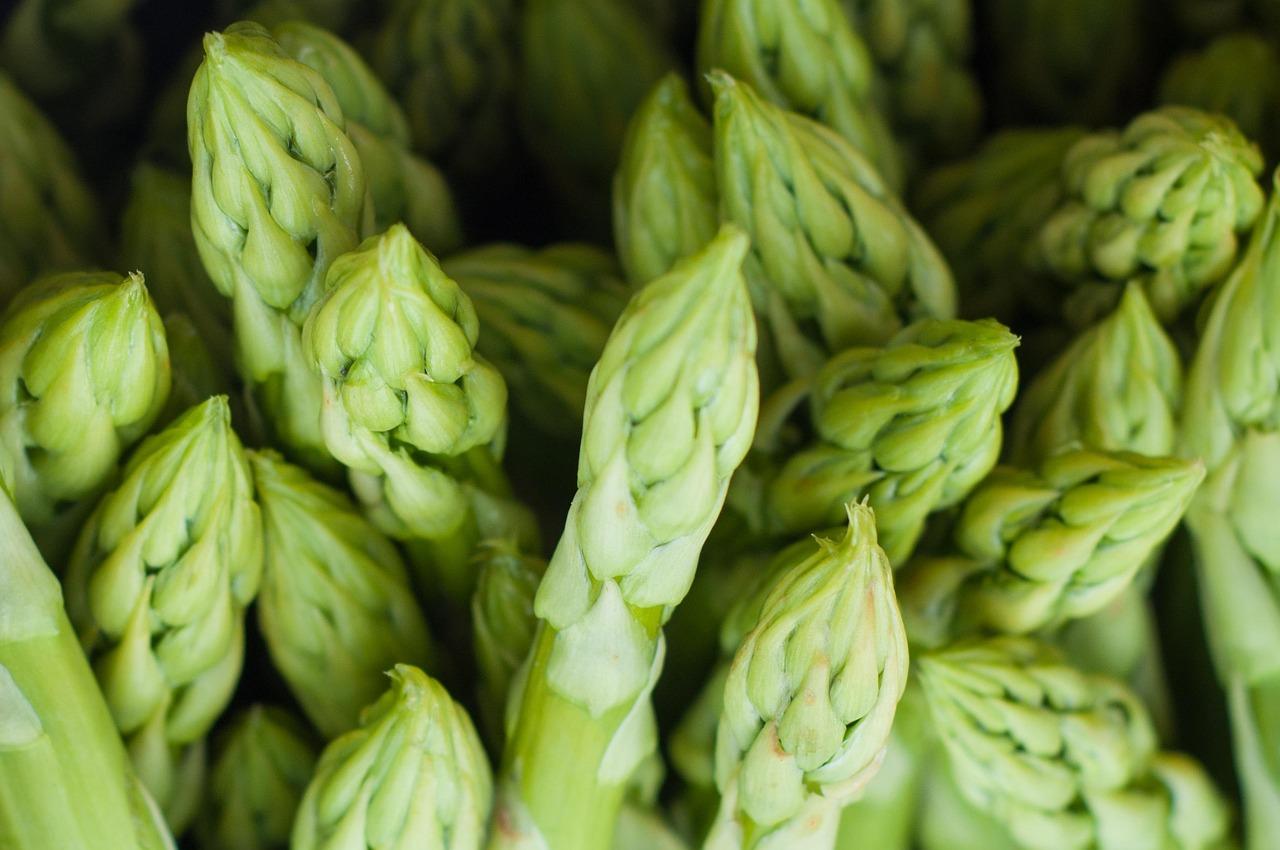
The morning air at Yanaka Ginza Shopping Street market turns brisk in early July, but the produce tables brim with summer bounty. Snap peas, shiso leaves, and delicate tomatoes fill wooden crates, priced 15-20% below convenience stores. For Yanaka residents tired of generic supermarket offerings, this season marks the sweet spot: local growers flood markets with crops at their nutritional peak, just as economic forecasts suggest household budgets need relief.
Wellness experts have long noted that eating seasonally-choosing what grows now rather than year-round imported stock-delivers superior nutrient density and flavour. The trend dovetails with current consumer behaviour: as recession fears ease but wage stagnation lingers, families in established neighbourhoods like Yanaka are quietly shifting toward direct-to-consumer food channels. Farmers markets offer transparency on growing methods, lower prices than packaged alternatives, and a tangible connection to local agriculture that meal-kit services and online grocers cannot match.
Where to Shop Fresh in Yanaka
Yanaka Ginza Shopping Street operates its main farmers market every Saturday and Wednesday morning, anchored by vendors from the surrounding Arakawa ward cooperatives. The street-a covered arcade running east-west through the heart of Yanaka-has hosted produce sellers for over 40 years. Regulars know to arrive by 9 a.m.; peak summer vegetables like kakigori-grade cucumbers and heirloom eggplants sell out by mid-morning. A bundle of fresh shiso (Japanese basil) costs ¥200-300, compared to ¥600 in supermarket packaging.
The Yanaka Community Centre, near Sendagi Station, hosts a smaller but equally reliable weekly market each Thursday afternoon. Vendors here lean toward organic and pesticide-reduced crops; tomatoes, okra, and bitter melon dominate July supply. Prices track slightly higher than Ginza Street-reflecting certification and smaller-scale production-but regulars cite superior shelf-life and flavour profile. The centre's location near the Yanaka cultural district means foot traffic blends locals with visitors exploring the neighbourhood's temples and artisan shops.
What to Buy Now and Why It Matters
July in Yanaka brings peak season for vegetables that thrive in high heat and humidity. Okra is abundant: at ¥150 per 100-gram bundle, it undercuts imported versions by half. Okra is fibre-rich and low-calorie-key nutrients for ageing populations that make up a significant share of Yanaka's 50,000 residents. Eggplant varieties (including long Japanese types ideal for grilling) cost ¥80-120 per piece and pack anthocyanins, compounds linked to cardiovascular health.
Green shiso and red perilla, mainstays of Japanese summer cuisine, peak now. Both herbs aid digestion and carry antimicrobial properties; a single bundle costs less than a single-serve supplement bottle but delivers far higher bioavailability. Tomatoes-often watery in winter imports-recover their sugar content and acidity balance this month. Local growers report yields up 22% in 2026 compared to the same period last year, driven by favourable June rainfall. Expect prices to drop further in the final week of July as peak supply floods markets.
Seasonal eating also reduces food waste. Produce bought at peak ripeness requires no long-distance cold storage, meaning it deteriorates slower in home refrigeration. Research from neighbourhood sustainability groups in central Tokyo wards shows that seasonal shoppers discard 35% less fresh produce than those relying on year-round supermarket stock.
For Yanaka residents serious about nutrition and budget health, the formula is simple: visit Yanaka Ginza or the Community Centre Thursday through Saturday, buy what fills the vendors' crates, and plan meals around abundance rather than scarcity. Summer vegetables are nature's discount. The season is short; make use of it before autumn supply chains reset in late August.