wellness
Sleep Scientists Reveal What Actually Works Before Bed
From Yanaka's evening temple walks to the dimmer switch in your living room, the science of sleep onset is finally catching up with what your body already knew.
How we reported this
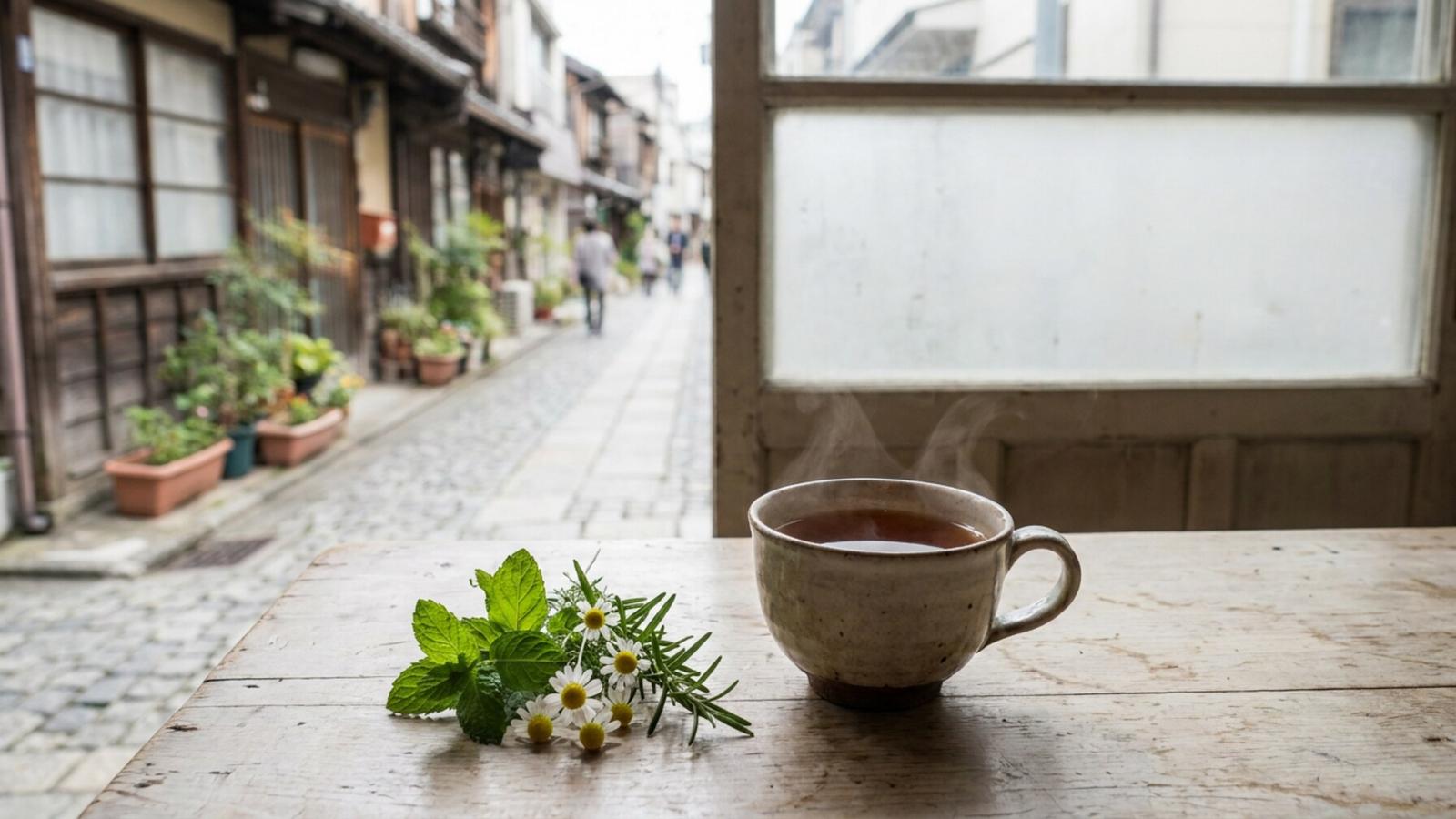
The single most important thing you can do for your sleep happens before you ever close your eyes. That is not wellness advice, it is the consistent finding of sleep science over the past two decades, and researchers at institutions including the National Sleep Foundation have spent considerable energy trying to work out exactly which pre-bed behaviours move the needle. The answer, increasingly, is a structured wind-down routine beginning at least 60 to 90 minutes before your target sleep time.
Why does this matter right now, in July 2026? Hormone health is having a cultural moment, questions around melatonin supplementation, cortisol cycling and sleep architecture are reaching mainstream audiences who previously tuned them out. At the same time, the blurring of work and home life has compressed the psychological gap between the end of a working day and the start of the night. Many Yanaka residents describe finishing dinner, scrolling for 40 minutes, then wondering why they stare at the ceiling until midnight. Sleep clinicians have a name for this compressed transition: insufficient sleep pressure buffering. The fix, though, is more specific than simply "relax more."
What the Research Actually Says
Core body temperature is the mechanism most sleep scientists point to first. The body needs to drop roughly 1 to 1.5 degrees Celsius to initiate sleep onset. That process begins naturally in the evening, but it can be accelerated, or, crucially, disrupted. A 2019 study published in Sleep Medicine Reviews found that a warm bath or shower taken 1 to 2 hours before bed sped up sleep onset by an average of 10 minutes and improved subjective sleep quality in participants across multiple age groups. The warm water draws blood to the skin's surface; stepping into a cooler environment afterwards triggers a rapid core temperature drop.
Light exposure is the second lever. Blue-spectrum light, the kind emitted by phone and laptop screens, suppresses melatonin production with documented efficiency. Research from Harvard Medical School's Division of Sleep Medicine found that evening screen exposure can delay melatonin onset by up to three hours. Dimming overhead lights after 8 p.m. and switching screens to warm-tone settings from around 7 p.m. represents the minimum intervention most sleep researchers recommend. Some go further: a complete screen-off period of 30 minutes before bed, filled instead with reading physical print, light stretching, or journaling.
Cognitive decompression matters as much as physical winding down. A technique sometimes called a "worry dump", writing tomorrow's task list and any unresolved concerns in a notebook before bed, has been shown in a 2018 Baylor University study to shorten sleep onset time. Participants who wrote a specific to-do list (rather than a general reflection) fell asleep an average of nine minutes faster than the control group. Nine minutes sounds modest, but compounded over weeks it represents the difference between six and seven hours of actual sleep time for people already running a deficit.
Yanaka's Evening Landscape as a Sleep Asset
Yanaka is, quietly, well-suited to the kind of evening rituals sleep science endorses. The neighbourhood's network of shotengai, particularly the lantern-lit stretch of Yanaka Ginza running north from Sendagi Station, offers a low-stimulation, pedestrian-paced environment that functions almost like a prescribed walk. A 20-minute post-dinner stroll here, where the pace is set by local shopkeepers closing up and cats navigating the gutters, provides both mild physical activity and natural light transition as the sky darkens. Both factors support the cortisol-to-melatonin handover your body is trying to perform.
Yanaka Cemetery, which opens to evening walkers and is bordered by old zelkova trees along Kototoi-dori, offers a similarly unhurried environment. The Nezu Shrine area on the western edge of the neighbourhood is the starting point for an informal evening walking group, meeting on Tuesdays and Thursdays at 7:30 p.m. near the main torii, that has grown to around 30 regular participants since forming in early 2025. The group explicitly keeps phones pocketed. That detail matters: the social contract of the walk enforces the screen break that most individuals cannot manage alone.
For those building a home-based routine, the practical sequence looks like this: dim lights and finish screens by 8 p.m.; take a warm shower around 8:30 p.m.; spend 20 minutes on a worry-dump journal or physical reading; drop the bedroom temperature to between 16 and 19 degrees Celsius. Sleep clinicians consistently recommend consulting a local GP or sleep specialist before adding melatonin or other supplements, the over-the-counter options vary widely in dose accuracy, and the underlying issue is often behavioural rather than biochemical. The Yanaka area has several general practice clinics within the Bunkyo and Taito ward boundaries that offer sleep health consultations. The routine, unlike the supplement, is free.