wellness
Yanaka's Temple Lanes Transform Daily Walks Into Powerful Meditation Practice
Yanaka's winding temple lanes and shaded cemetery paths are quietly becoming the neighbourhood's most effective meditation studio.
How we reported this
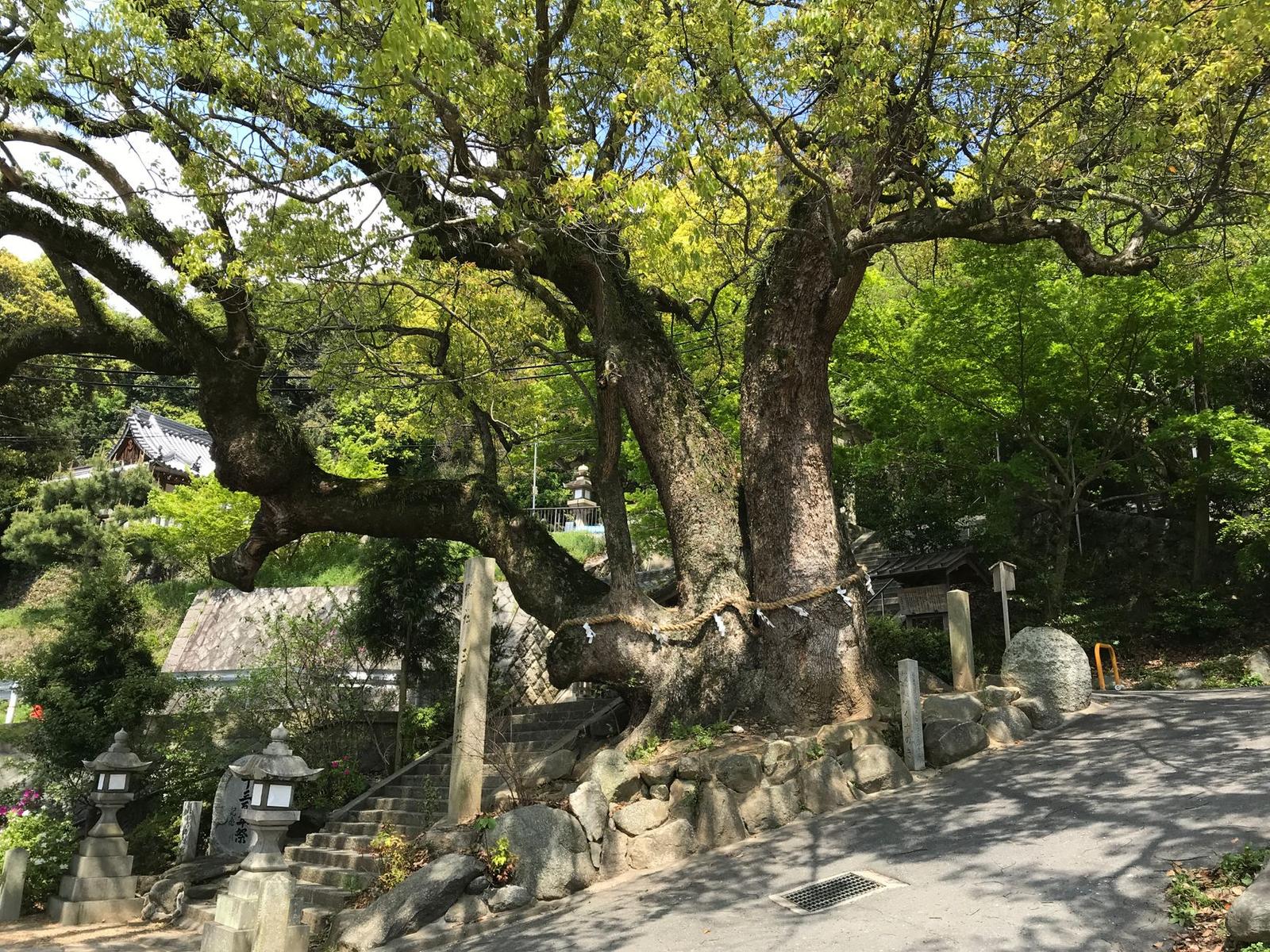
The science is straightforward: you don't need a cushion, a studio, or an app subscription to meditate. You need a pair of shoes and about twenty minutes. Walking meditation, the deliberate practice of anchoring attention to each footfall, breath, and passing sensation, is drawing fresh interest across Yanaka, where the neighbourhood's dense grid of shotengai alleys, cedar-shaded paths and old-town quiet make it unusually well-suited to the practice.
The timing matters. Across Japan, data from the Ministry of Health, Labour and Welfare's 2025 National Health Survey showed that nearly 38 percent of adults in Tokyo's metropolitan wards reported chronic low-level anxiety, a figure that climbed four points since 2022. Stress management techniques that require no specialist access are gaining ground fast, and walking meditation sits at the intersection of two things people are already doing: commuting on foot and scrolling wellness content during every spare moment. The proposition is to swap the scroll for stillness.
Yanaka is a particularly good laboratory for this. The neighbourhood has long maintained an active wellness culture, and two local anchors are already quietly promoting the practice. Yanaka Ginza, the 170-metre covered shopping street that runs south from Nippori, is most useful early, before 9 a.m., when foot traffic is sparse and the smell of fresh tofu from the corner shops replaces the afternoon crowd noise. Several regulars have taken to treating the full length of the street as a single breath cycle: inhale for the first half, exhale for the second. It sounds fussy until you try it. The Yanaka Cemetery, which covers roughly 10 hectares and dates to 1874, offers something different, uninterrupted gravel paths under mature zelkova trees, almost no traffic noise, and enough visual texture in the old grave markers and moss-covered stonework to give the wandering eye somewhere to rest without demanding interpretation.
What the Research Actually Says
Walking meditation has a longer clinical record than its low-key reputation suggests. A 2023 study published in the journal Mindfulness followed 108 participants over eight weeks and found that a 20-minute daily walking meditation practice reduced self-reported rumination scores by 27 percent, comparable results to seated mindfulness-based stress reduction programs that require significantly more time commitment. The key variable was intentionality, not distance or pace. Participants who walked their usual routes but applied structured attention protocols showed markedly different outcomes from those who simply walked.
The mechanics are not complicated. Teachers at Nezu Shrine's community wellness mornings, held on the second and fourth Sunday of each month, free entry, starting at 7 a.m., have been introducing the basics to participants since spring 2025. The instruction is consistent with traditional Buddhist kinhin practice: slow the pace to roughly half your normal speed, feel the heel make contact with the ground before the ball of the foot, notice when the mind leaves the body and return attention without judgment. That last part, the returning, is considered the actual practice. The wandering is not failure; it's the curriculum.
Making It Work on Your Usual Route
The local detail matters more than people expect. Yanaka's topography helps: the neighbourhood sits on the Ueno plateau's eastern slope, and the gentle gradient along Hebimichi, the narrow snake-path lane that curves between Yanaka and Nezu, naturally slows walkers down without requiring conscious effort. The path is roughly 400 metres. At walking meditation pace, that takes between twelve and fifteen minutes. Long enough to settle the nervous system; short enough to fit before work.
Practitioners suggest a few specific adjustments for urban walking rather than temple-ground practice. Leave headphones at home for at least the first ten minutes. Pick a fixed sensory anchor, the sound of a particular covered drain along Yanaka Ginza, the shadow line on the cemetery's central avenue at 7 a.m., and return to it when attention drifts. Keep the gaze soft and downward at roughly a 45-degree angle rather than scanning ahead.
For anyone wanting structured introduction before going solo, the Nezu Shrine sessions are the most accessible local entry point. Beyond that, Yanaka's streets ask very little. Show up, slow down, pay attention. That is, more or less, the entire instruction.
For personal health or mental health concerns, consult a qualified medical professional in your area.