wellness
Your Guide to Yanaka's Best Farmers Markets and What's Worth Buying Right Now
Seasonal produce is hitting its summer peak across Yanaka's neighbourhood markets, and vendors say shoppers who know what to look for will eat better and spend less.
How we reported this
The stalls are full. Yanaka's farmers markets are running at near-capacity this July, with weekend foot traffic at the Yanaka Ginza Morning Market up roughly 18 percent compared to the same period last year, according to figures from the Yanaka Merchants Cooperative. Vendors attribute the surge partly to rising supermarket prices and partly to a growing appetite, literal and otherwise, for knowing exactly where food comes from.
That hunger for provenance matters right now because July sits at the hinge point between late spring holdovers and true summer abundance in this part of Japan. Get the timing wrong by even two weeks and you miss the best of the shiso, the first of the edamame, and the narrow window when local corn is sweet enough to eat raw. Get it right and a Saturday morning in Yanaka becomes one of the more pleasurable forms of nutritional planning available.
Where to Go and What to Look For
The Yanaka Ginza Morning Market, held every Saturday from 8 a.m. along the covered shopping street near Nishi-Nippori Station, is the obvious starting point. Roughly 30 vendors set up by 7:45 a.m., and the serious buyers arrive before 9. Growers from Nerima Ward and parts of Saitama bring in leafy brassicas, myoga ginger, and the first summer cucumbers. Expect to pay around ¥200 to ¥280 for a bundle of shiso leaves, cheaper than any convenience store and notably fresher. The myoga, which peaks through July and into August, runs about ¥150 for five bulbs and is worth every yen sliced thin over cold soba or miso soup.
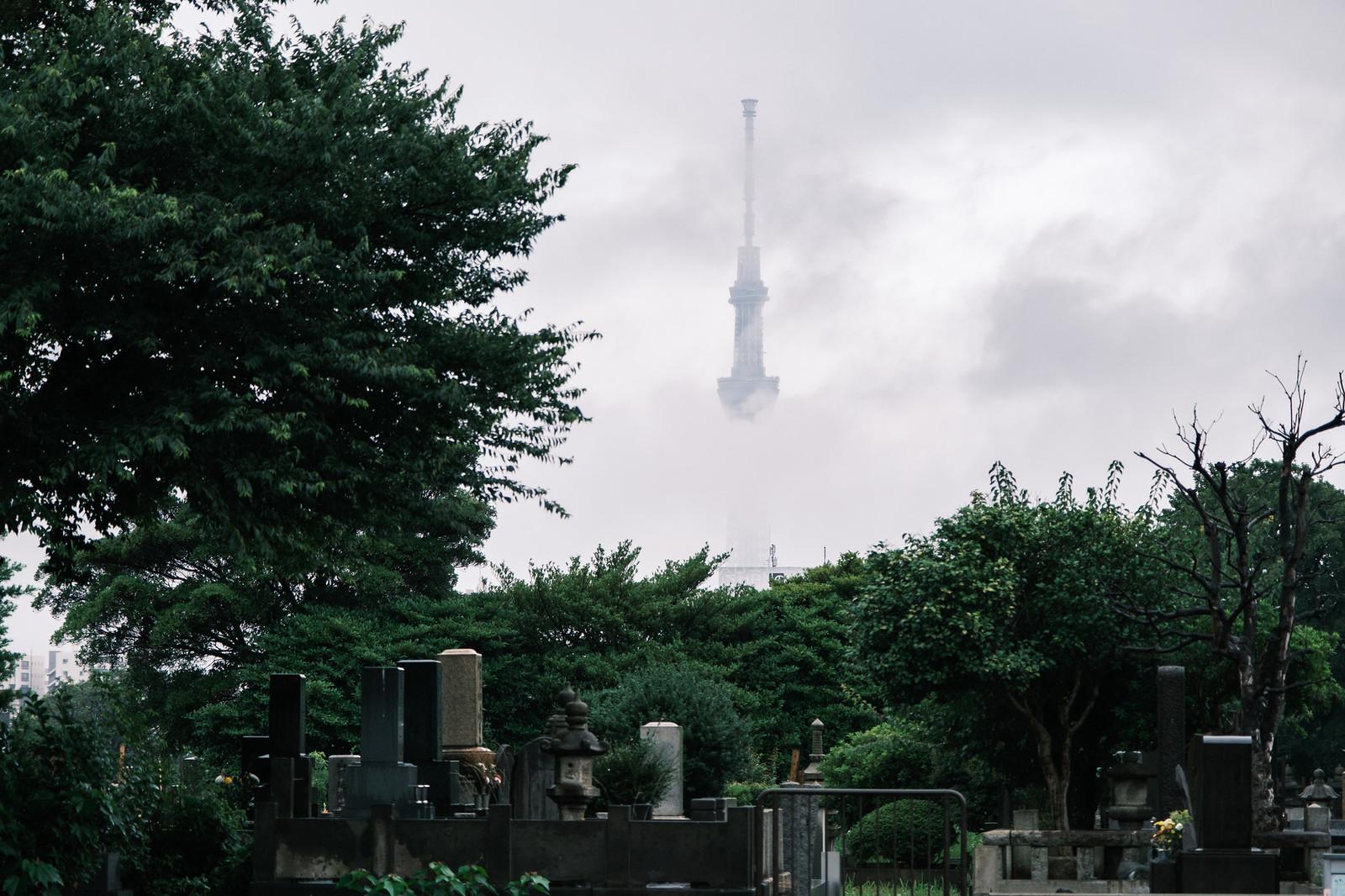
The smaller but increasingly well-regarded Yanaka Cemetery Edge Market operates on the last Sunday of each month beside Tennoji Temple on Yanaka's western perimeter. It draws fewer vendors, typically 12 to 15, but a higher proportion of them grow certified chemical-free produce. Stone fruit arrives here first: small domestic plums called sumomo are already appearing at ¥400 to ¥500 per 300-gram punnet. Blueberries from Gunma Prefecture, sold by the Midori Farm collective which has supplied this market since 2019, go quickly and rarely last past 10 a.m.
For anyone focused on gut health and fermented foods, the Sendagi Natural Foods Collective, a cooperative with a permanent shop on Dangozaka-dori plus a monthly outdoor stall at the Yanaka Ginza market, stocks house-made miso, seasonal nukazuke pickles, and occasional batches of amazake. Their July nukazuke rotation typically features young daikon, cucumber, and carrot, all fermented in-house for between three and seven days.
The Nutritional Case for Shopping Seasonally Right Now
A 2024 review published in the journal Food Chemistry found that freshly harvested leafy vegetables lose between 15 and 50 percent of their folate content within three days of being cut, depending on storage conditions. That's a meaningful gap between the bunch of shiso picked yesterday morning in Nerima and the packaged equivalent that has spent four days in a cold-chain warehouse. Folate, along with vitamin C and potassium, concentrates heavily in the produce that's currently most abundant in Yanaka's markets: shiso, edamame, corn, and summer squash.
Edamame deserves particular attention this month. Sold still in the pod at the Ginza Morning Market for around ¥300 per 200 grams, fresh edamame contains roughly 9 grams of protein per 100-gram serving and is one of the few plant sources offering a near-complete amino acid profile. It takes four minutes to boil and no further instruction.
The practical advice is straightforward: arrive early, bring a reusable bag and enough cash for ¥2,000 to ¥3,000 worth of shopping, and prioritise whatever looks most abundant, abundance almost always signals peak season. The Yanaka Merchants Cooperative posts a loose weekly produce preview on the bulletin board outside the Yanaka Ginza shotengai entrance by Friday afternoon each week, which takes most of the guesswork out of the trip. As always, anyone managing specific dietary conditions or health concerns should talk to a local medical professional before making significant changes to their eating habits.