wellness
Yanaka Sleep Clinics Hit Record Demand: What Patients Must Know
From the quiet lanes off Yanaka Ginza to the wellness hubs near Nezu Shrine, local sleep specialists say residents are finally taking their rest seriously.
Listen in English · 4 min
How we reported this
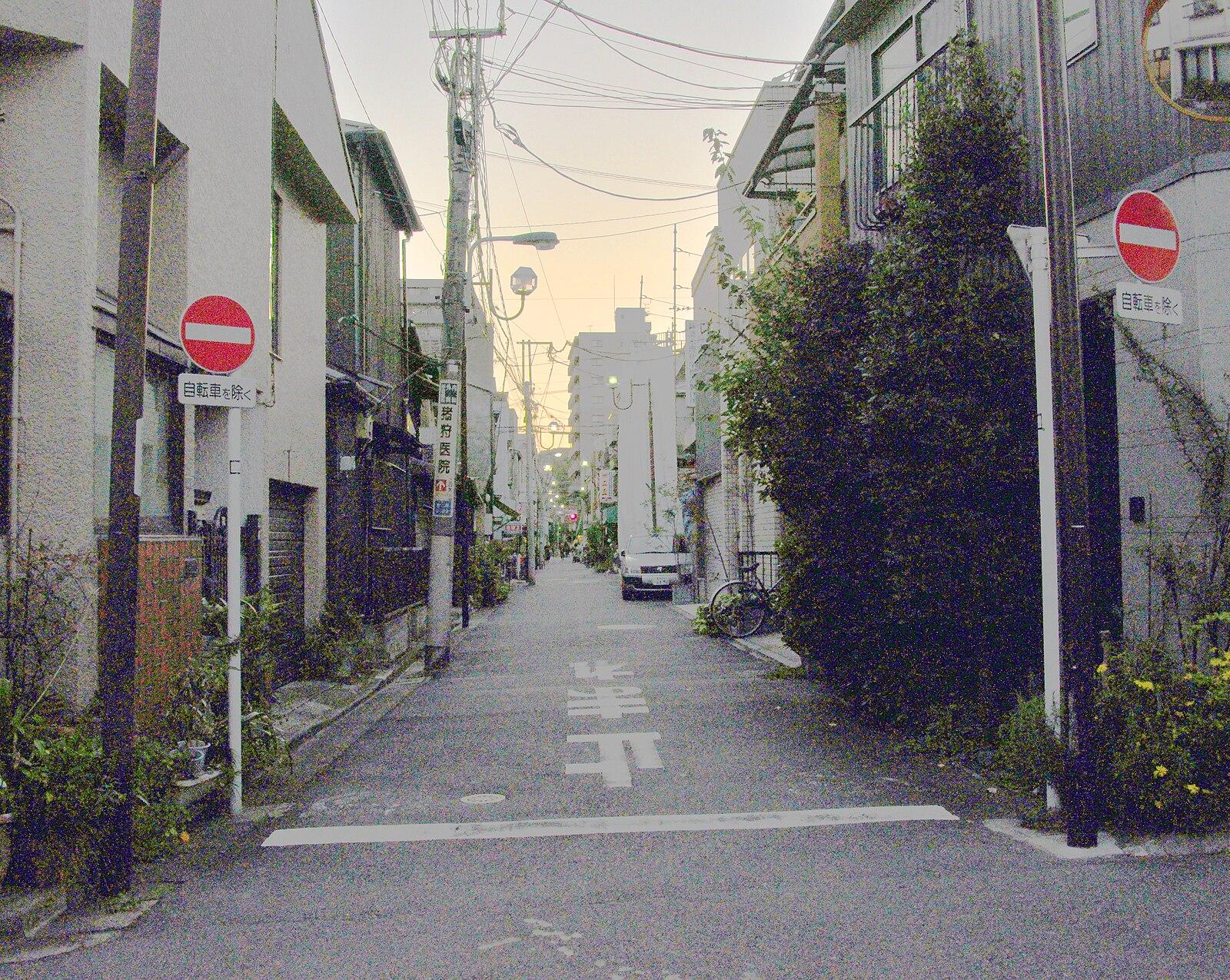
Sleep medicine referrals at Yanaka's two dedicated sleep clinics rose by 34 percent in the first half of 2026, according to figures shared by the Yanaka Wellness Cooperative this week. The surge is the sharpest the neighbourhood has recorded in a single calendar year, and practitioners say the waiting lists tell the same story: people are not sleeping, and they know it.
The timing is not accidental. Conversations about hormones, melatonin in particular, have broken out of specialist forums and into everyday life, prompting many residents to ask harder questions about their nightly routines. At the same time, the financial anxiety circulating through many households this year has researchers linking chronic stress directly to disrupted circadian rhythms. Yanaka's historically active wellness culture, anchored by morning tai chi groups in Yanaka Cemetery Park and the long-running community yoga programme at the Taito Cultural Centre on Yanaka 5-chome, has created a population that monitors its own health closely. When sleep started slipping, people noticed quickly.
Where Locals Are Going for Help
The Nezu Sleep and Respiratory Clinic, a ten-minute walk from Nezu Station along Shinobazu-dori, conducts full polysomnography studies, the overnight assessments that track brain waves, blood oxygen, and body movement simultaneously. A standard diagnostic study there runs ¥28,000 out of pocket before any insurance offset, though the clinic advises that most patients with a GP referral can claim back a significant portion under National Health Insurance. The clinic opened its second consultation room in March 2026 specifically to handle overflow demand.
Further into the neighbourhood, the Yanaka Ginza Health Hub on the covered shopping street has taken a different approach. Rather than overnight studies, it offers home-monitoring kit rentals, small wrist-worn devices that track sleep staging over five consecutive nights, for ¥6,500 per rental period. The hub launched the programme in January after partnering with the Bunkyo Sleep Research Group, which operates out of a facility near Sendagi Station. Staff there stress that home monitoring does not replace a clinical study for complex cases, but it gives practitioners a useful baseline and helps triage who needs the full polysomnography pathway.
Both facilities recommend that new patients arrive with at least two weeks of sleep diary data. Several free diary templates are available through the Taito Ward health portal, which updated its sleep resources section in April 2026.
What the Evidence Says, and What to Do Next
The World Health Organisation flagged in its 2025 Global Health Estimates that insufficient sleep, defined as fewer than seven hours per night for adults, affects roughly 45 percent of the global population at any given time. Obstructive sleep apnoea, the most commonly diagnosed condition in Yanaka's clinics, is estimated to go undetected in up to 80 percent of sufferers before they seek help. Left unmanaged, it elevates cardiovascular risk considerably over a five-to-ten-year horizon.
The practical picture for Yanaka residents is this: if you have been waking unrefreshed, snoring loudly, or relying heavily on melatonin supplements without improvement over four weeks, a GP visit is the right first step. A referral to either the Nezu clinic or the Bunkyo Sleep Research Group via Sendagi will typically follow within two to three weeks under normal waiting times, though current demand may push that to six weeks for non-urgent cases.
For those not ready for a clinical referral, the Yanaka Ginza Health Hub runs a free 45-minute sleep hygiene workshop every second Thursday at 7 p.m. The next session is July 10. It covers light exposure, caffeine timing, and evening routines, the unglamorous but well-evidenced foundations that practitioners say most people shortcut before looking for a more complex diagnosis. As one local practitioner put it in the clinic's community newsletter last month, the best sleep study is the one that leads to a plan you actually follow.
For personalised health advice, consult a local medical professional in Yanaka or your regular GP.