wellness
Still Mind, Living Streets: A Beginner's Guide to Starting a Meditation Practice in Yanaka
Yanaka's dense temple lanes and neighbourhood wellness studios make it an unexpectedly perfect place to sit down, shut up, and learn to breathe.
Listen in English · 4 min
How we reported this
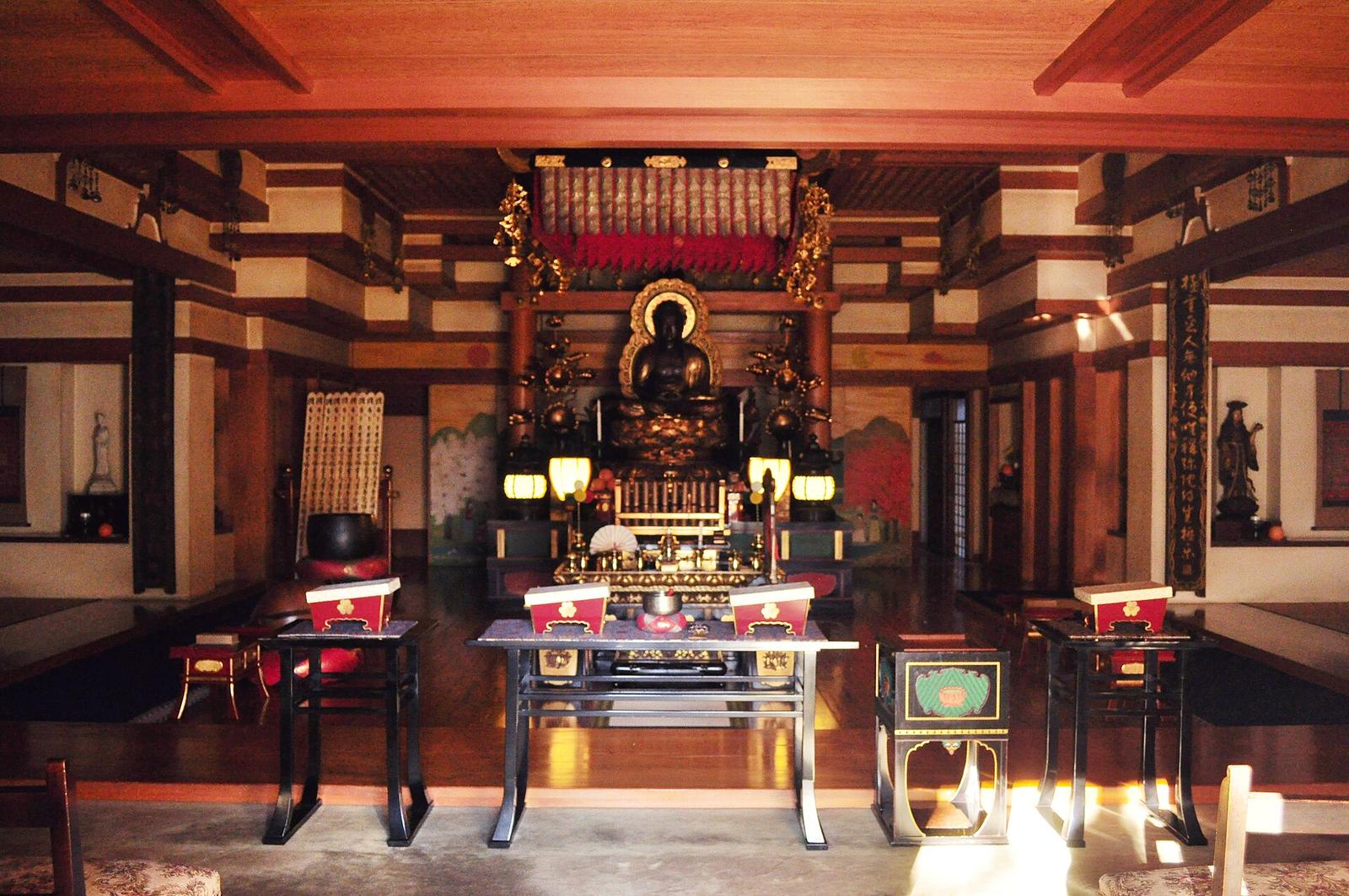
More people in Yanaka are sitting still on purpose. Across the neighbourhood's warren of Meiji-era shopping streets and Buddhist temple grounds, beginner meditation programs have quietly filled up through the first half of 2026, with several local studios reporting waiting lists for July sessions. The trend isn't mystical, it's practical. When the noise of work, housing anxiety, and a world perpetually plugged into AI announcements gets too loud, people are looking for a reliable off switch.
Hormonal health conversations, burnout discourse, and the creeping suspicion that financial stability doesn't equal fulfilment have all pushed mental wellness higher on the public agenda this year. Meditation sits at the intersection of all of it, free to practise, backed by a growing body of clinical research, and requiring almost no equipment beyond somewhere quiet to sit. For complete beginners, though, the gap between knowing it's good for you and actually starting is wider than it looks.
Where to Begin in Yanaka
Two local anchors are worth knowing. Yanaka Ginza's Komorebi Wellness Studio, on the northern end of the shopping street near the old Yuyake Dandan steps, runs a four-week Introduction to Mindfulness course every month. The July cohort opened on the 1st and still has places in the Thursday evening session. Cost is ¥6,800 for the full program, which covers breathwork basics, body-scan technique, and an introduction to walking meditation, the last one particularly useful given Yanaka's network of narrow, relatively traffic-free lanes.
For those who prefer a setting with more history behind it, Tennoji Temple on Yanaka Cemetery's western edge holds a monthly open zazen morning on the second Sunday of each month. It's free, runs from 7 a.m. to 8:30 a.m., and is explicitly structured for people who have never sat formal meditation before. Staff there provide cushions and give brief instruction in posture and breathing before the session begins. No prior booking is required.
The standard beginner advice, and it holds, is to start with five minutes, not fifty. Research published in the journal Psychological Science found that participants who practised focused-attention meditation for just 13 minutes a day over eight weeks showed measurable improvements in attention and mood. That's less time than a commute from Nippori Station to Ueno. The same study noted that the benefits were negligible below four weeks, which is the part most people skip over when they download a meditation app and abandon it by day three.
What Actually Happens When You Sit Down
Beginners consistently report the same surprise: the mind doesn't go quiet. It gets louder, at first. Intrusive thoughts, grocery lists, the memory of an embarrassing thing said in 2019, all of it surfaces. This is not failure. Instructors at Komorebi describe this phase as the practice working correctly, not incorrectly. The skill being trained is noticing that the mind has wandered and returning attention to the breath, not achieving a blank screen of consciousness.
Posture matters more than most beginners expect. Sitting on the floor cross-legged is one option, but a straight-backed chair works equally well. The spine should be upright without being rigid. Hands rest in the lap. Eyes can be closed or left slightly open, directed at the floor about a metre ahead. Set a timer, the Insight Timer app, which has a free version, is widely used locally, so the mind isn't tracking time. Then simply notice the breath: the rise of the chest or belly, the pause at the top, the release.
Three minutes of that, done daily for two weeks, is a more realistic starting point than an ambitious 20-minute session attempted once and then abandoned. Tennoji's July 13 open zazen morning is a reasonable first public step for anyone still not sure they can sit alone with their own thoughts without making a mess of it. Komorebi's studio, reachable in under ten minutes on foot from Yanaka Ginza's southern entrance, is the structured classroom alternative. Both options cost less than a single session with a therapist and require nothing beyond showing up. Consult a local medical professional if you're managing a specific mental health condition before starting any new wellness practice.