wellness
Too Hot, Too Bright, Too Loud: The Hidden Forces Wrecking Your Sleep in Odaiba
Your bedroom environment, not your phone, may be the real reason you're exhausted every morning.
How we reported this
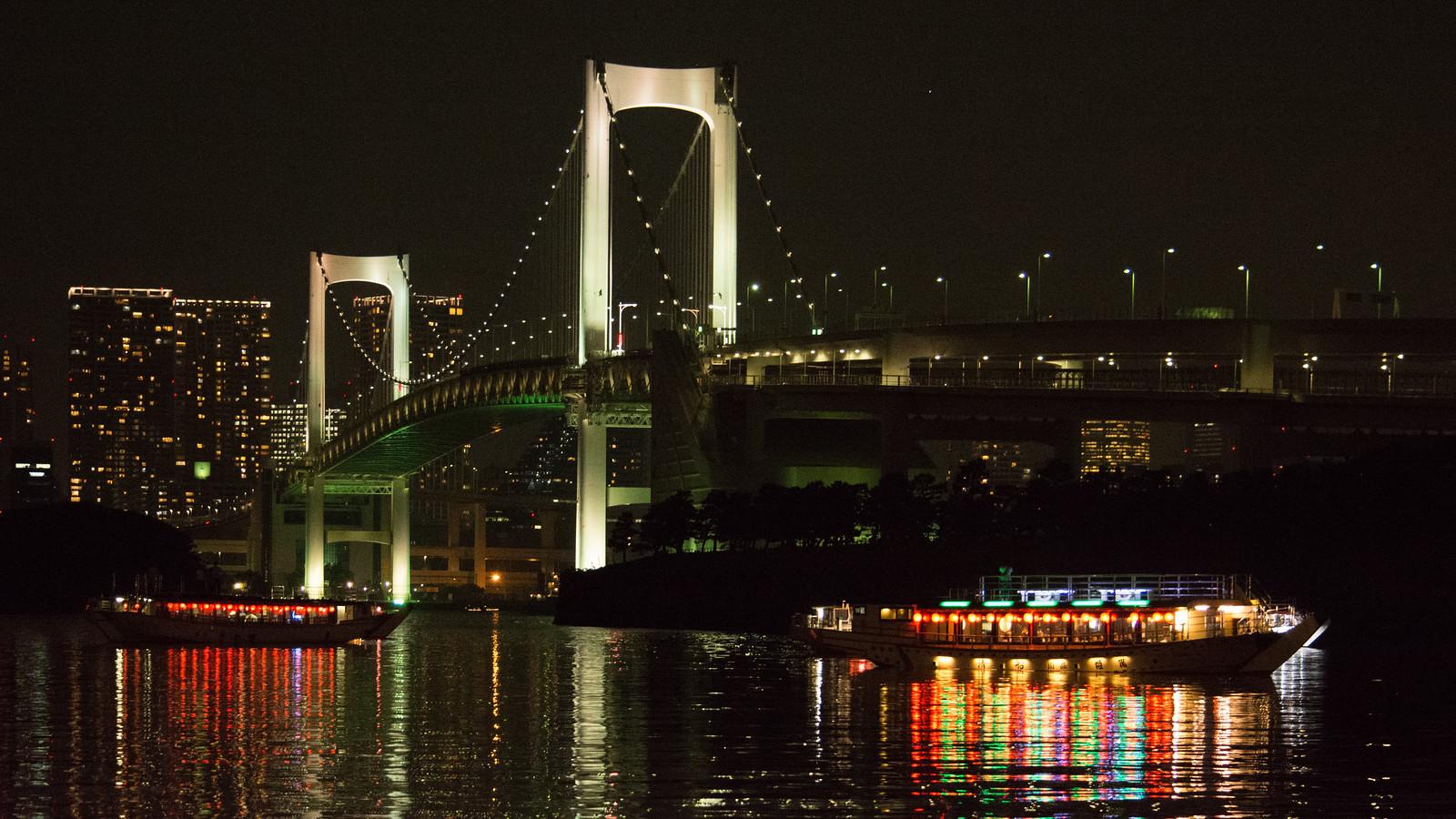
Tokyo recorded its first official tropical night of 2026 on June 28, with overnight temperatures in the waterfront wards staying above 25°C, the threshold at which sleep researchers say the human body begins to lose meaningful slow-wave sleep. In Odaiba, surrounded on three sides by Tokyo Bay and lit nightly by the Rainbow Bridge's LED array, residents are dealing with all three major sleep disruptors at once: heat, artificial light, and the persistent low-frequency hum of the Yurikamome line running until past midnight.
This matters now because the overlap is unusually sharp this summer. The metropolitan government's heat-island monitoring data for Odaiba's Daiba district has shown that the artificial surface temperature of the reclaimed island, asphalt, glass towers, the wide concrete plaza fronting DiverCity Tokyo, amplifies ambient heat by several degrees compared with the city's western residential neighbourhoods. Combine that with the broad, unshaded waterfront and a street grid designed primarily around vehicle access rather than shade trees, and you have conditions that push bedroom temperatures well past the comfort window for quality rest.
What the Science Says About the Sleep Environment
Sleep medicine researchers have established that the optimal bedroom temperature for adults sits between roughly 16°C and 19°C. Every degree above that compresses the amount of time spent in the deeper, restorative stages of sleep. Light is equally disruptive: exposure to wavelengths in the blue spectrum, including the kind emitted by the Rainbow Bridge's white LED lighting, visible directly from apartments facing Tokyo Bay on Aomi and Shinonome, suppresses melatonin production even at relatively low intensities. A 2023 review published in the journal Sleep Medicine Reviews found that bedroom light levels as low as 10 lux during sleep were associated with measurably higher resting heart rates and next-day cognitive deficits.
Noise compounds both problems. The Yurikamome automated line, which serves Odaiba's main spine from Shimbashi through to Toyosu, runs scheduled services until approximately 12:10 a.m. and restarts from around 5:30 a.m. That window leaves less than five and a half hours of silence, far short of what most adults need to complete the four or five full sleep cycles that make up a restorative night. Even intermittent noise spikes above 45 decibels have been shown to fragment sleep architecture, according to World Health Organisation guidelines on environmental noise published in 2018.
What Odaiba Residents Can Actually Do
The Odaiba branch of Lalaport Tokyo Bay's wellness floor, which houses a Relaxation Lab popup running through August 31, has been stocking blackout curtain panels and white-noise devices alongside its usual recovery gear, a practical acknowledgement that its customer base in the Aomi and Daiba addresses is asking about sleep solutions, not just massage tools. The panels on offer start at ¥4,800 for a standard window size.
Down on the waterfront, the Odaiba Seaside Park morning wellness sessions organised through the Tokyo Metropolitan Park Association begin at 6:15 a.m. on weekdays, a schedule deliberately set to catch residents who are already awake due to early Yurikamome noise, and to use morning light exposure therapeutically. Bright natural light before 8:00 a.m. helps anchor the circadian rhythm, making it easier to fall asleep at a consistent time the following night.
For temperature management without running air conditioning all night, which creates its own noise and dryness problems, a cooling mattress pad set to between 18°C and 20°C costs between ¥28,000 and ¥55,000 at the Bic Camera outlet in Palette Town's surviving retail block, and draws significantly less power than a wall unit running overnight. Keeping the bedroom door closed and using a standing fan to circulate air before sleep, then switching it off, is a lower-cost option that sleep clinicians at Tokyo Sleep Clinic in nearby Shiodome frequently suggest to waterfront patients.
The practical checklist is short: blackout the windows, cool the room before you lie down rather than during sleep, and give yourself at least 30 minutes of dim light before bed. If the Yurikamome is waking you before 6 a.m., a consistent white-noise source set around 50 decibels will mask the rail noise without adding its own disruption. None of this requires a wearable or a subscription. It requires treating the bedroom as infrastructure, not an afterthought. Anyone with persistent sleep difficulties should speak with a local GP or sleep specialist before making significant changes.