wellness
Odaiba Wellness Experts Debate: Does 20-Minute Napping Help or Harm?
Odaiba's wellness devotees swear by the midday rest, but sleep researchers say the difference between a restorative nap and a sleep-wrecking one comes down to minutes.
How we reported this
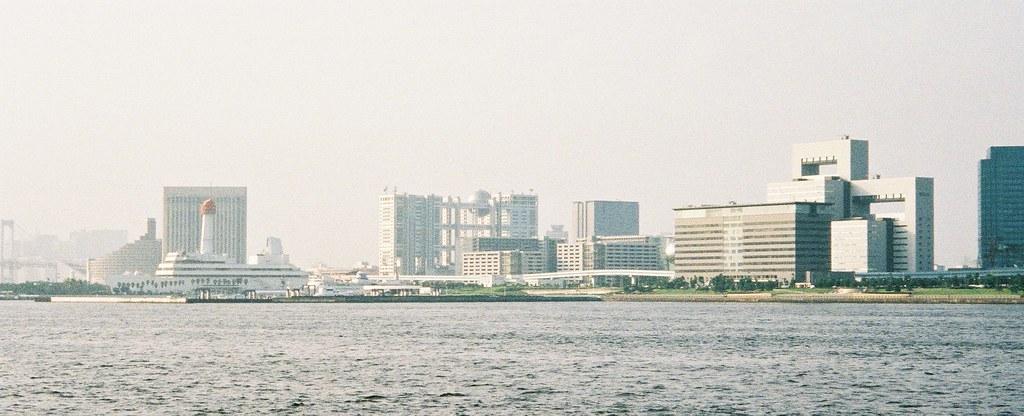
Twenty minutes. That is, according to sleep science, the line between a nap that sharpens your afternoon and one that leaves you groggy, irritable, and staring at the ceiling at 1 a.m. Get it right and cognitive performance improves measurably. Get it wrong and you have effectively borrowed energy from tonight's sleep to pay for this afternoon's couch session.
The question matters more right now because Odaiba's character is changing. The waterfront district, always a little more health-conscious than the rest of Tokyo's eastern sprawl, has seen a surge of wellness facilities over the past 18 months, many of them marketing rest as a deliberate, structured practice. That shift has put napping back into serious conversation among the office workers, fitness regulars, and remote-working residents who fill this artificial island's cafes and co-working spaces on any given Friday afternoon.
The Science Is Settled, Even If the Habit Isn't
A 2023 study published in the journal Sleep Health tracked 3,819 adults across six countries and found that naps of 10 to 20 minutes produced the largest short-term gains in alertness and mood, while naps exceeding 30 minutes correlated with a 34 percent increase in reported sleep-onset difficulties that same night. The sweet spot is narrow. Drop into slow-wave sleep, which typically begins around the 25-minute mark, and you will wake up in what researchers call sleep inertia, the foggy, disoriented state that can persist for up to 40 minutes. For anyone with a 3 p.m. meeting at TeamLab Borderless or a cycling session booked at Decathlon Odaiba on Aomi, that is a serious practical problem.
Timing matters just as much as duration. A nap taken before 2 p.m. tends to align with the body's natural post-lunch dip in core temperature and has the least interference with nocturnal sleep. Push it past 4 p.m. and the circadian math starts working against you. The afternoon light off Tokyo Bay at that hour is still strong enough to suppress melatonin production, but a late nap simultaneously reduces adenosine, the chemical pressure that builds through the day and makes night-time sleep feel necessary. The result is a night of lighter, more fragmented sleep, even if falling asleep initially feels easy.
Odaiba has become something of a testing ground for structured rest. The Hilton Tokyo Odaiba on Daiba 1-chome has offered its Midday Recharge day-use package since March 2025, priced at ¥6,500 for a two-hour room slot between 11 a.m. and 3 p.m., explicitly designed around the science of short rest. Bookings are reportedly running at 80 percent capacity on weekdays. Closer to the Yurikamome line's Telecom Center station, the wellness studio Sora Wellness Lab runs a 25-minute guided Nidra Nap session every Tuesday and Thursday at 12:30 p.m., deliberately capped at 20 minutes of actual rest, with five minutes of gradual wake-up breathwork to sidestep sleep inertia. A single session costs ¥1,200.
When Napping Signals Something Else
Not every urge to nap is a lifestyle choice. Persistent daytime sleepiness, the kind that hits regardless of how much sleep you logged the night before, can be an early indicator of sleep apnoea, iron deficiency, or thyroid dysfunction. The distinction between a healthy midday dip and pathological fatigue is something only a physician can properly assess. Anyone who finds themselves napping daily out of necessity rather than preference, or who wakes from short naps still exhausted, should speak to a doctor rather than optimise their nap protocol further.
For the majority of Odaiba's health-conscious residents, though, the practical prescription is straightforward. Keep it short, 10 to 20 minutes is the target range. Keep it early, before 2 p.m. if possible, certainly before 3 p.m. Consider a coffee nap: drinking a single espresso immediately before lying down means the caffeine clears the gut and reaches the bloodstream in roughly 20 minutes, amplifying the alertness rebound on waking. And consider the environment, the waterfront park between the Fuji TV Building and Palette Town offers enough natural light and movement noise to prevent naps from drifting too deep, which is, counterintuitively, exactly what makes it a reasonable spot to close your eyes for a quarter of an hour.
The nap is not going away. The question is whether people are taking it on the body's terms or their own.