Politics
Shimokitazawa's New Zoning Policies Reshape Setagaya's Residential Future
New zoning policies and ongoing legal challenges regarding road infrastructure are shaping the residential landscape of the Setagaya district.
How we reported this
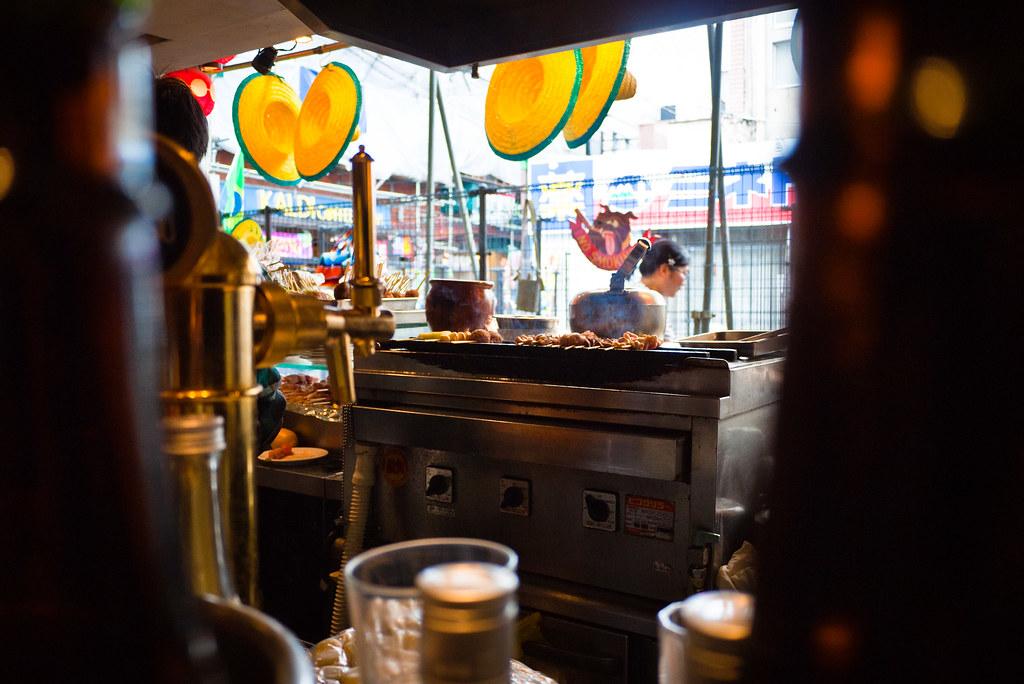
The urban landscape of Shimokitazawa remains a central point of intersection between established community preservation policies and proposals for broader infrastructure expansion. Current planning frameworks in Setagaya Ward have focused on maintaining the area's characteristic low-rise, walkable environment. These regulations include a building height cap of 22 meters and a mandated 50-centimeter setback from roads to preserve the neighborhood's structural identity, according to documentation regarding development pressure and citizen preservation efforts [1].
These zoning measures coincide with a long-standing point of tension involving the proposed construction of Subsidiary Route 54, an arterial road spanning 26 meters in width. The project has become a significant focal point for urban development conflict, with local shop owners initiating legal challenges to contest its implementation [2]. Residents and business owners have expressed concerns about how such large-scale infrastructure projects align with the existing character of the local streets [5].
Community-Led Engagement and Recent Projects
In response to persistent community opposition, Setagaya Ward authorities have shifted their administrative approach. Moving away from purely top-down urban planning, the district has adopted a model characterized by community-led engagement. This strategy reflects a departure from development practices seen in other parts of Tokyo, prioritizing local input when evaluating the impacts of proposed projects [5].
These efforts are visible in recent redevelopment initiatives that seek to incorporate new density while respecting the existing spatial fabric of the area. The Shimokitazawa Bonus Track, for instance, serves as a living-working environment established on former Odakyu railway land. This project is noted for adding density to the neighborhood without compromising its distinctive aesthetic and functional character [3].
The impact of infrastructure on the local market has been notable following the 2019 station renovation and the subsequent development of the Shimokita Senrogai. These projects have correlated with increased property values and rising rental demand. Due to ongoing zoning constraints, new supply remains limited, which residents and property observers note has influenced the current housing environment [4]. As the neighborhood navigates the ongoing debate regarding Subsidiary Route 54 and broader development policies, the focus remains on balancing the preservation of Shimokitazawa’s history with the practical requirements of modern urban life [7][9].