Politics
Legislature Bill Tracker: New Cost-of-Living Relief Measures and What They Mean for Odaiba Households
Expanded subsidies, power bill relief and school fee adjustments are among recent legislative changes set to affect the budgets of thousands of Odaiba families this quarter.
How we reported this
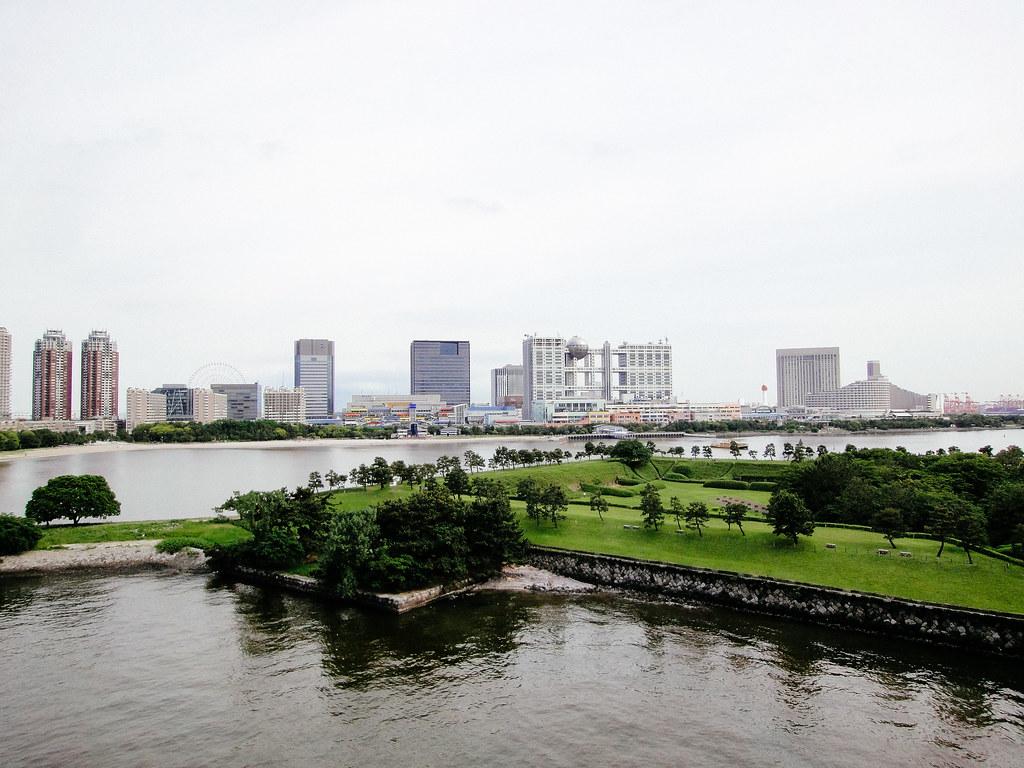
A package of cost-of-living reforms passed by the Tokyo Metropolitan Assembly in late June is set to deliver new support for Odaiba households, with direct implications for energy bills, public transport fares, and school-related expenses. The Cost-of-Living Adjustment and Household Support Act 2026, which takes effect from July 15, targets families earning under ¥7 million annually, seniors, and single-parent households living within the Tokyo bay district, including Odaiba’s residential precincts and apartment complexes along Minato-ku and Koto-ku.
Rising Costs Bring Policy Response
The past year has seen household budgets squeezed by inflation in food, utilities and rent. As the Ministry of Internal Affairs and Communications reported in May, the urban consumer price index for central Tokyo rose 3.4 percent compared to last year. With family energy bills rising by an average of ¥12,000 annually and school lunch fees up 8 percent since last spring, local advocacy groups have pressed for government action. The new legislative package aims to offset these pressures through targeted subsidies and structural adjustments, policy analysts say, reflecting a growing recognition that the cost squeeze is not confined to lower-income families but affects a significant cross-section of Odaiba’s working population.
Impact on Local Households
Under the Act, eligible Odaiba residents will receive a direct quarterly payment of ¥18,000 per household starting in August. Households with children in public primary or junior high school will see an automatic discount of ¥2,000 per month on school meal bills for the remainder of the 2026 academic year, according to Tokyo Board of Education circular No. 2026-4. For seniors aged 70 and over, local government will subsidize 40 percent of standard TWR commuter rail fares, with applications opening at the city community centre on August 1. In addition, a temporary 10 percent reduction in Tokyo Electric Power (TEPCO) household tariffs for eligible consumers is authorized through December, based on details in the legislation.
The Tokyo Metropolitan Government says up to 24,000 Odaiba households, roughly 62 percent of the district’s population, are expected to benefit from at least one part of the package. For families like those residing in the Ariake North high-rise zone or the Daiba district’s municipal rental apartments, the subsidies mean up to ¥71,000 in relief by the end of the year, depending on eligibility. Local advocates note the support reaches a broader base than pandemic-era programs.
Fiscal Details and Community Outlook
The metropolitan government’s budget appropriation for the legislation totals ¥420 billion across Tokyo, with local officials confirming at least ¥1.28 billion allocated for payout and subsidy administration in Odaiba itself, according to Budget Paper III, Appendix E. Policy analysts warn that while immediate relief is significant, long-term affordability challenges remain. Rent and child-care costs, not directly covered in the 2026 measures, continue to weigh on household budgets in the district, especially as demand grows in redeveloped residential areas east of Telecom Center Station.
Next steps will see community centre staff coordinating outreach and enrolment support, especially for non-Japanese residents and seniors who may face language barriers. The government states payments and discounts will be administered automatically for households already enrolled in existing welfare or school meal programs. An impact assessment is scheduled for December, after which policymakers are expected to consider whether further cost-of-living intervention will be necessary in 2027, based on updated regional inflation and poverty data.