Politics
Odaiba Mayor Pushes $500M Waterfront Plan Despite Resident Transparency Demands
Community advocates and policy analysts are calling for clearer timelines and budget breakdowns as Odaiba's local government moves ahead with a multi-year infrastructure and climate-adaptation programme affecting every ward in the district.
How we reported this
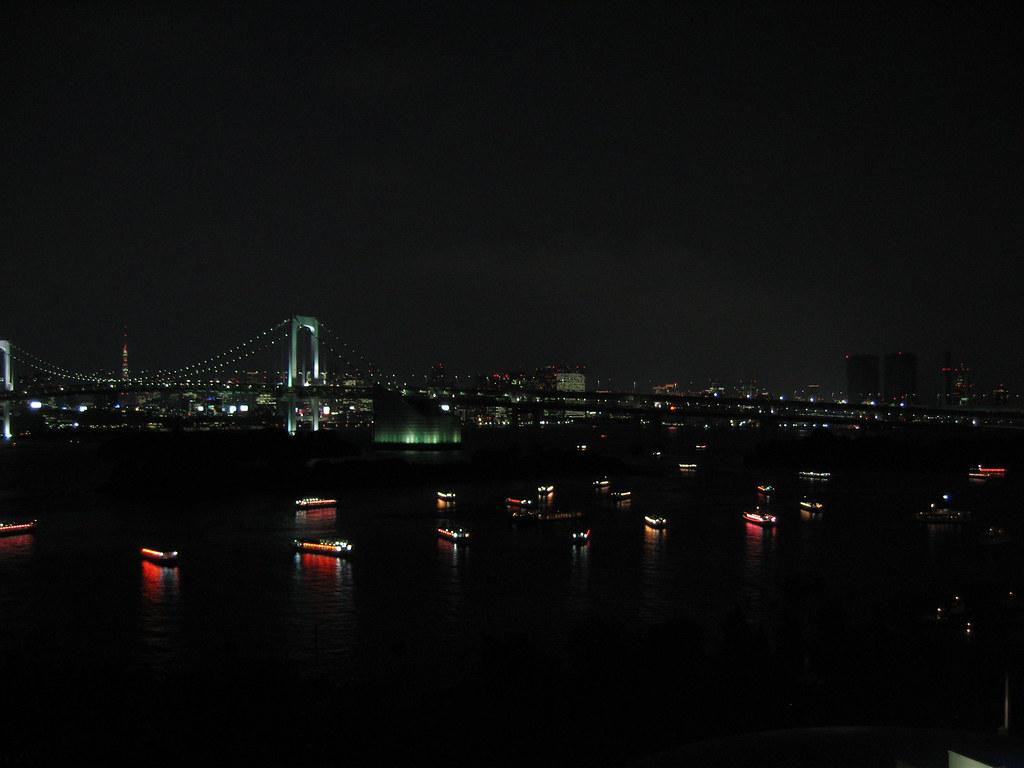
Odaiba's mayor has formally advanced the district's Waterfront Resilience and Community Services Plan, a policy package covering flood-barrier upgrades, public transit enhancements and neighbourhood service consolidations across the artificial island's administrative zones. The plan, tabled before the local assembly in late June 2026, is projected to affect approximately 68,000 registered residents and runs through fiscal year 2030. Local experts and community groups broadly support the direction of the policy, but say key details about cost-sharing, displacement of existing services and implementation schedules remain insufficiently explained.
The timing matters. Typhoon activity in the broader region this summer has sharpened awareness of coastal exposure, and Odaiba's low-lying reclaimed land makes it structurally vulnerable to storm surge. Policy analysts who track Tokyo Bay-area infrastructure say the district has been operating on flood-mitigation standards set in the mid-2000s, when the island's residential population was less than half its current size. Local government documents confirm that the existing seawall system was last comprehensively assessed in 2019 and rated as adequate only under moderate-scenario storm modelling.
What the Plan Means for Day-to-Day Life in Odaiba
For most residents, the most immediate changes will come in public transport and community facility access. The plan proposes rerouting two bus lines serving the Daiba and Aomi areas beginning in the first quarter of 2027, a move the local government says will cut average commute times to Shimbashi by around eight minutes. Separately, three neighbourhood service windows, handling housing registration, elderly-care referrals and waste-management queries, are expected to be consolidated into a single civic hub near Telecom Centre Station by March 2027. Community advocates note that elderly residents who rely on the current walk-in counters at dispersed locations may face a longer journey to reach the consolidated centre, and they are urging the assembly to maintain at least one satellite access point in the northern residential blocks.
The resilience infrastructure component carries the larger price tag. The local government has allocated 4.2 billion yen in its current capital works budget toward the first phase of seawall reinforcement along the district's eastern shoreline, with additional funding expected to be drawn from Tokyo Metropolitan Government co-financing arrangements. Budget documents tabled in June describe this as a partial commitment, with the full programme cost estimated at 11.8 billion yen over four years. Policy analysts say the gap between what the local budget covers and what the metropolitan contribution will actually deliver remains the central unanswered question for residents who want to know whether all phases will be completed on schedule.
Community Voices and What Happens Next
Resident association representatives from the Shinonome and Odaiba Kaihin Park neighbourhoods attended a public session at the Odaiba Community Centre on July 3, where they submitted written questions about contractor accountability and environmental monitoring during construction. Local advocates note that earlier infrastructure projects on the island produced noise and dust disruption that went unaddressed for months, and they are asking the mayor's office to establish a formal complaints-tracking mechanism before ground is broken. The mayor's office has confirmed a written response to those submissions is due by July 25.
The local assembly is scheduled to hold a second reading of the plan on July 22. If approved, the government says the transit changes will enter a public-comment period of 30 days before being finalised. The seawall work is projected to begin in early 2027, with the civic-hub consolidation running on a parallel track. Residents wanting to submit views before the assembly vote can do so through the district office's online portal, which closes at midnight on July 18.