news
Setagaya Ward Embraces Community Input on Shimokitazawa Redevelopment Plans
Local authorities have moved away from top-down methods toward resident engagement on redevelopment questions including a disputed expressway route.
How we reported this
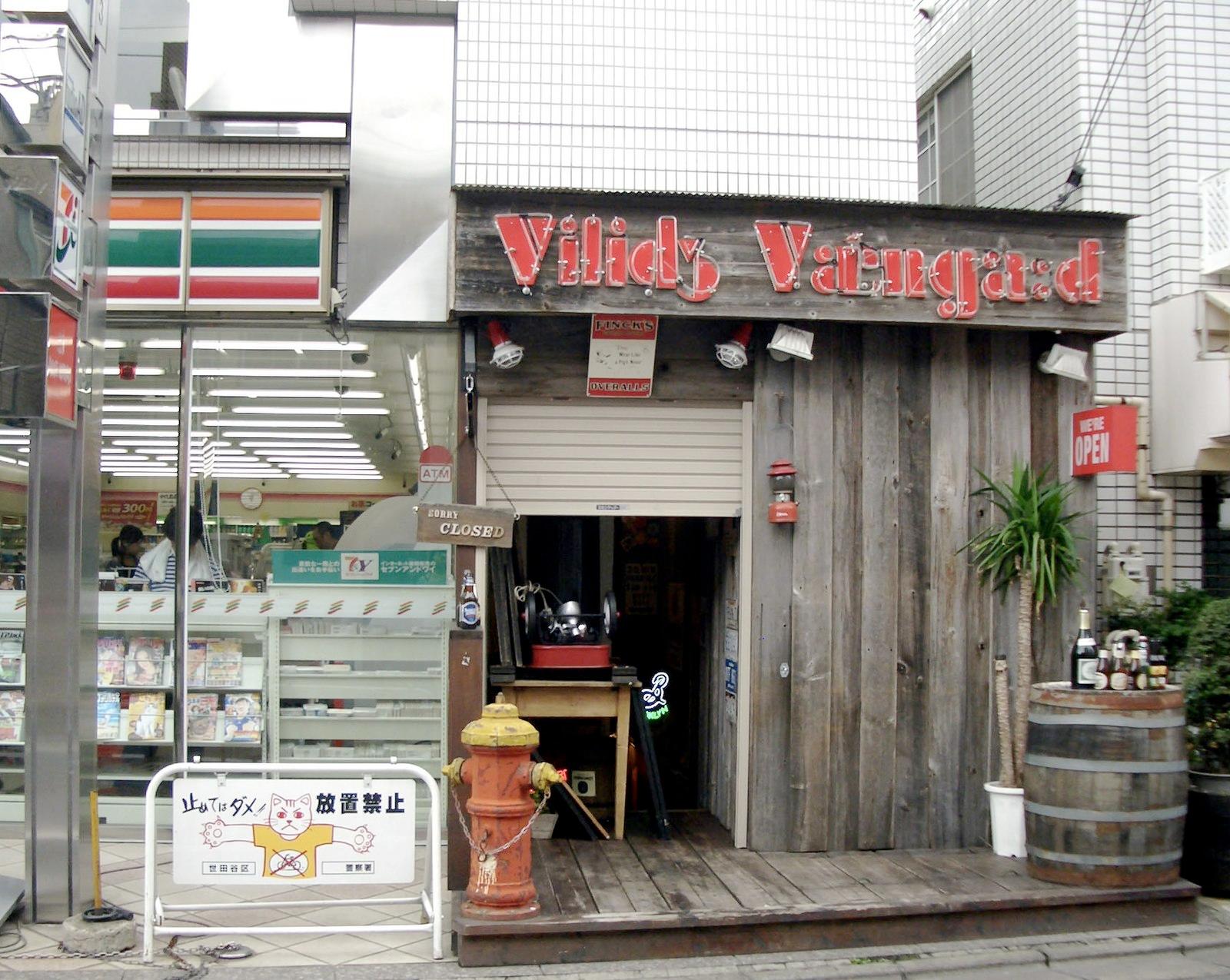
Setagaya Ward authorities have adopted community-led engagement for decisions on Shimokitazawa redevelopment instead of the top-down approaches used in other Tokyo neighborhoods.
Shift in Planning Approach
This change means residents and shop owners now participate directly in discussions about future development rather than receiving fixed plans from ward offices. The approach focuses on local services and decisions that respond to neighborhood input on issues such as building rules and infrastructure routes. By involving those who live and work in the area, the ward seeks to address redevelopment through ongoing dialogue rather than unilateral directives.
Dispute Over Subsidiary Route 54
A long-dormant plan to build a 26-meter-wide expressway known as Subsidiary Route 54 through Shimokitazawa continues to face active opposition. Residents and shop owners have launched legal challenges aimed at stopping construction. These challenges form part of how the ward handles the issue through local services, with community groups using formal processes to influence decisions on the route.
2006 District Plan Details
The 2006 Setagaya Ward District Plan relaxed building height limits, permitting shops up to 22 meters tall and enabling seven-story buildings. This earlier policy remains relevant to current discussions because it set the framework that community engagement now seeks to review or adjust. The plan's provisions on heights illustrate the type of specific local decisions that now receive resident scrutiny through the shifted process.
The combination of legal challenges to the expressway and the move toward community input shows how Setagaya Ward manages redevelopment questions via established local channels. Residents can engage through ward consultation mechanisms tied to the District Plan framework. Future steps depend on outcomes of ongoing legal proceedings and continued participation by shop owners and neighborhood groups in ward-led forums.