lifestyle
Residents Discover 50+ Vintage Shops Hidden Across Shimokitazawa's Alleys
From alleyway boutiques to flea markets, here’s how residents can dive into Shimokita’s distinctive fashion scene.
How we reported this
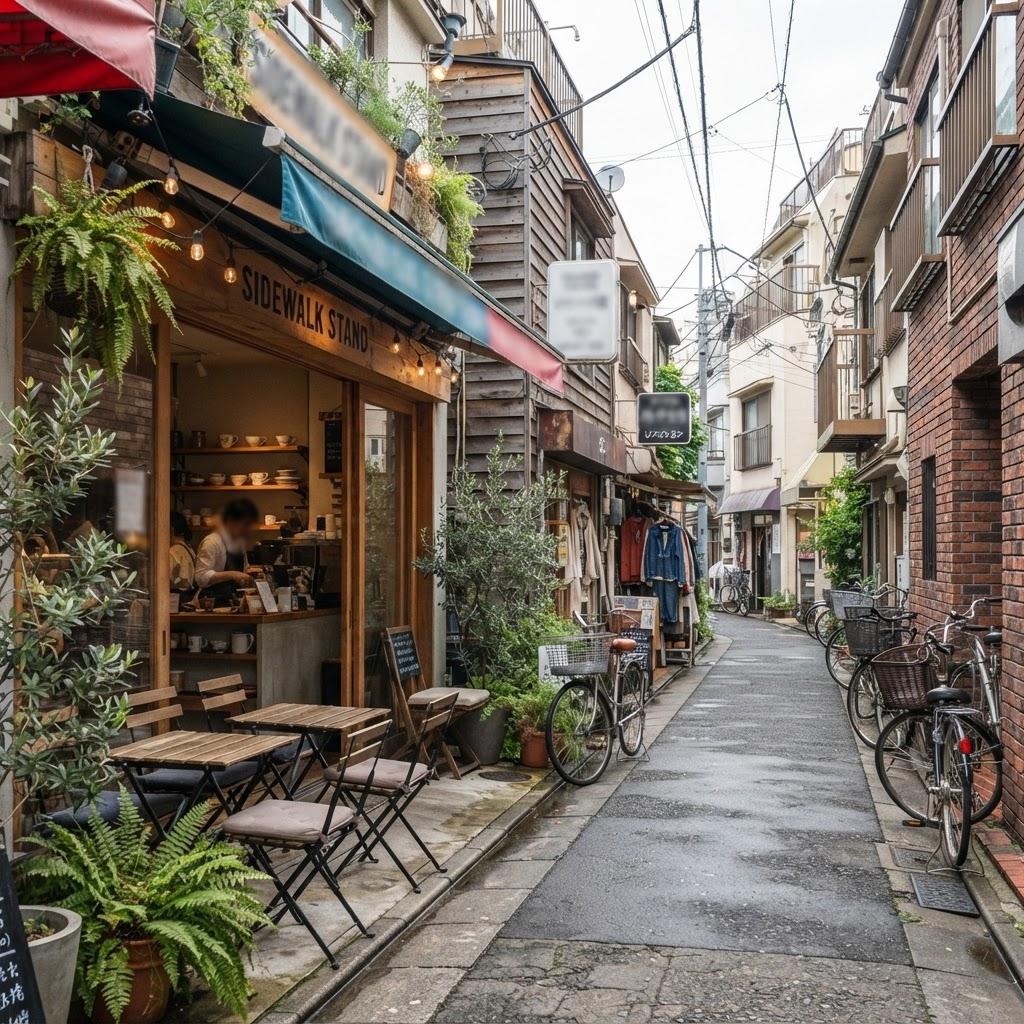
Shimokitazawa, known locally as Shimokita, is one of Tokyo’s most vibrant districts for vintage and secondhand clothing, with well over 30 used clothing stores packed into its narrow streets. Major chains like Chicago sit alongside independent boutiques, making the neighborhood a prime destination for anyone looking to explore archive fashion and one-of-a-kind finds.
Why Shimokita Matters for Local Style
Unlike the trend-driven fast fashion of Harajuku, Shimokitazawa’s style draws on a different era. The area’s fashion reflects a 1970s-80s Tokyo aesthetic, featuring rock-casual looks, recycled high-street pieces, remade garments, and classic vintage items. This approach appeals to a bohemian mix of musicians, actors, artists, students, and fashion-conscious young Japanese who use clothing to express individuality rather than follow the mainstream. For residents, Shimokita offers a chance to build a personal wardrobe with depth and character.
Where to Start: Key Streets and Shops
Shimokitazawa is a compact, pedestrian-friendly enclave in Setagaya Ward, just three minutes from Shibuya and seven minutes from Shinjuku. The neighborhood’s side streets and alleyways are lined with independent vintage stores, many tucked inside former homes or small commercial buildings. Along the main shopping street, you’ll find a mix of vinyl shops and cozy vintage stores. While Chicago is one of the larger chain outlets, the real draw is exploring the dozens of smaller shops where stock rotates frequently. Many stores specialize in specific decades or genres, from American workwear to European tailoring.
Flea Markets and the Reuse Culture
The community’s commitment to reuse and recycling is visible throughout the district. Regular flea markets are held in local spaces, where pre-loved items circulate among residents and visitors. Clothing collection boxes are also common, encouraging a circular economy. These markets are a practical way for locals to refresh their wardrobe while keeping good pieces out of landfills. The dates and locations of flea markets vary, so checking community boards or local social media pages is a good habit for regular shoppers.
Practical Tips for Residents
For first-time visitors, setting aside a few hours to wander is essential. Many shops open around 11 a.m. and close by 8 p.m., though independent stores may have varied hours. Cash is still widely accepted, though an increasing number of stores take cards or mobile payments. Because the area is easy to navigate on foot, starting from the station and working outward along the alleyways works well. Unlike the crowded weekend scene, weekday afternoons tend to be quieter, giving shoppers more time to browse. Whether you’re hunting for a specific archive piece or simply enjoying the atmosphere, Shimokitazawa provides a distinct alternative to Tokyo’s more commercial shopping districts.